Column · @judahjsza815
The Ultimate Skin Refresh with Fotona 4D Laser Facial (TimeWalker)
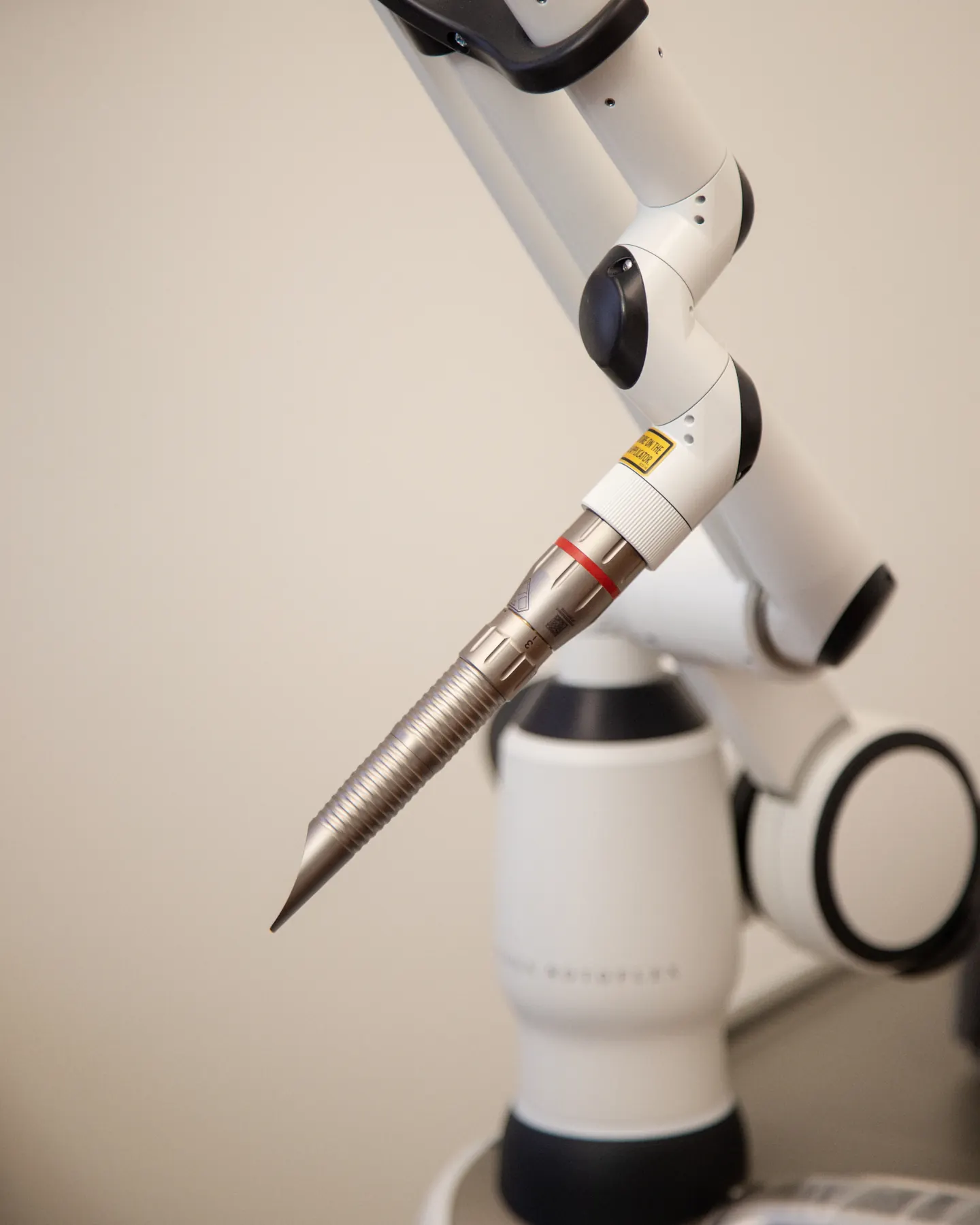
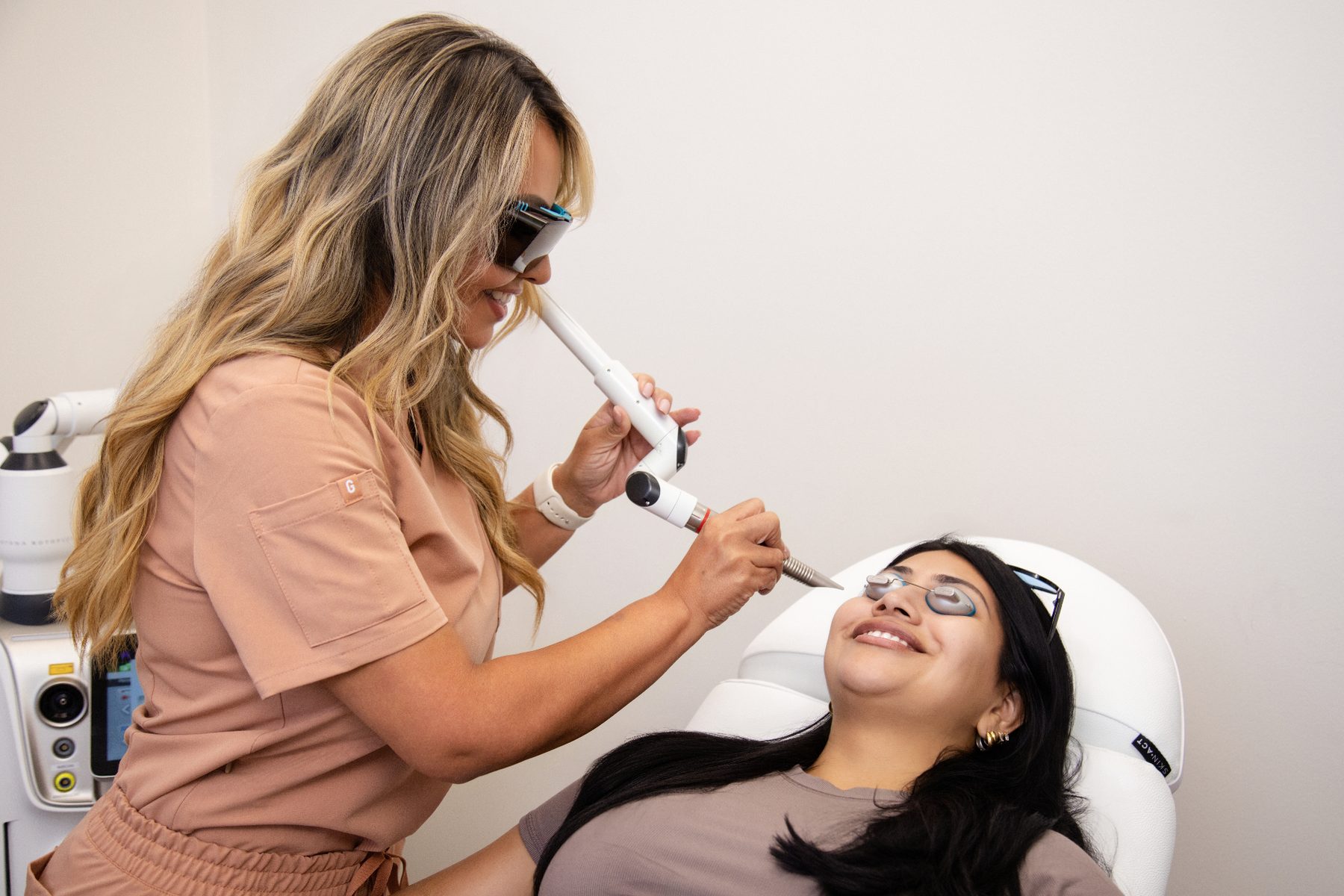

Skin rejuvenation treatments have changed dramatically over the past decade. Patients no longer want only aggressive resurfacing with a week or two of social downtime, and they are rarely impressed by vague promises of a “glow” that fades in a few days. Most are looking for something more precise. They want visible tightening, smoother texture, better tone, and a fresher overall look, but they also want to return to work, school pickup, meetings, or dinner plans without hiding for a week.
That is where the Fotona 4D Laser Facial (TimeWalker) has earned real attention. It sits in an interesting middle ground between light maintenance treatments and more intensive resurfacing procedures. In the right patient, it can address laxity, uneven texture, enlarged pores, fine lines, and dullness in a way that feels substantial, yet still manageable from a recovery standpoint.
What makes this treatment stand out is not a marketing slogan. It is the way several complementary laser modes are layered in a single session to work on different depths and structures of the skin. Instead of chasing one concern with one setting, the treatment approaches facial rejuvenation in stages. That matters because aging rarely happens in a single layer. Volume changes, collagen loss, surface roughness, and textural irregularities all show up together, just not always at the same speed.
What the treatment actually is
The Fotona 4D Laser Facial (TimeWalker) is a multi-step laser treatment that typically combines both Er:YAG and Nd:YAG wavelengths in a structured sequence. The exact settings can vary by practitioner and by the patient’s skin, but the concept remains consistent: stimulate collagen, tighten tissue, improve surface quality, and refresh the complexion without the level of downtime associated with fully ablative resurfacing.
One reason experienced clinicians like the platform is its flexibility. A 38-year-old patient with early laxity around the lower face, crepey texture under the eyes, and a tired-looking complexion does not need the same energy profile as a 58-year-old with deeper etched lines, more sun damage, and more obvious skin slackening. The TimeWalker platform allows that treatment plan to be adjusted rather than forcing everyone into a one-size-fits-all facial.
The term “4D” refers to four treatment dimensions or phases, each targeting a different aspect of facial aging. One of the cleverest features is that part of the treatment is delivered from inside the mouth, along the cheeks. That sounds unusual the first time patients hear it, but it is one of the reasons this facial can produce a subtle lifting and tightening effect in the nasolabial fold and midface area without needles or surgery.
Why it feels different from a standard laser facial
A lot of treatments are described as “laser facials,” but that label can be misleading. Some are very light lunchtime procedures designed mainly for mild brightening. Others are stronger resurfacing sessions that demand a solid recovery window. The Fotona 4D Laser Facial (TimeWalker) is more strategic than a simple polish.
It tends to feel more like a layered remodeling treatment than a superficial refresh. In clinical practice, that distinction matters. Patients often come in saying they are not ready for surgery, fillers are not addressing the whole picture, and skincare alone is no longer enough. They do not necessarily need dramatic intervention, but they do need more than a basic peel or a single-pass laser.
That is often the sweet spot for this treatment. It can create improvement that is visible enough to justify the time and cost, yet conservative enough to preserve natural movement and facial identity. That last point should not be underestimated. Good aesthetic medicine is not about making someone look done. It is about making tired skin look healthier, stronger, and more responsive to light.
How the four layers work together
The treatment is usually described in four phases, though the naming may differ slightly from one clinic to another. The sequence matters because each step builds on the next.
First comes the intraoral tightening component. A laser handpiece is used inside the mouth to heat tissue from the mucosal side of the cheeks. The goal is to stimulate collagen contraction and remodeling in areas that support the lower midface. Patients are often surprised by this part, but in experienced hands it is quick and very tolerable. It contributes to a firmer look around the smile lines and cheek area over time.
The second phase typically works on deeper tissue support from the outside. Here, the Nd:YAG wavelength delivers controlled thermal energy to encourage collagen remodeling and skin tightening. This step is less about surface texture and more about structure. If someone says their skin feels looser than it used to, or makeup no longer sits as smoothly over the jawline and cheeks, this is the kind of issue the deeper heating phase is trying to address.
The third phase targets surface imperfections more directly. This is where texture, enlarged pores, roughness, and unevenness begin to improve. Depending on the settings used, patients may notice a more refined skin feel within days, even before the longer collagen-building process has fully matured.
The final phase often provides a polishing effect. It can soften very fine superficial irregularities and add brightness. The result, when the session is well designed, is not just tighter skin or smoother skin in isolation. It is a more coherent overall improvement, where skin appears fresher because several small deficits were treated at once.
Who tends to benefit most
This is not only a treatment for one age group. It can be useful for younger patients showing early signs of collagen decline, and also for mature patients who want meaningful rejuvenation without stepping into surgical territory.
In practice, the ideal candidates often include people who notice some combination of the following:
- Mild to moderate skin laxity, especially around the cheeks, jawline, or mouth
- Fine lines and early etched wrinkles
- Enlarged pores or uneven skin texture
- Dullness, fatigue, or loss of skin bounce
- Interest in visible results with limited downtime
The treatment can be particularly appealing for patients in their late thirties through fifties who are in that common in-between phase. They do not feel ready for a facelift, but they are no longer satisfied with purely superficial treatments. It is also useful for people who want laser rejuvenation but feel nervous about the prolonged redness and peeling associated with more aggressive resurfacing.
That said, “good candidate” is not just about age or concern. It also depends on skin type, medical history, recent sun exposure, active infections, medication use, and whether expectations are realistic. If someone is hoping for the level of skin tightening a surgeon can achieve by physically lifting tissue, no non-surgical laser should be presented as equivalent. Skilled practitioners are honest about that distinction.
What a session is really like
The day of treatment is usually straightforward. Most patients arrive with clean skin or have makeup removed in the clinic. Photos are often taken, and that step is more helpful than many people realize. Because changes from collagen remodeling can be gradual, before-and-after photography often reveals improvement that patients have adjusted to without fully noticing.
Topical numbing may be used depending on settings and treatment extent, though not every phase requires it. Protective eyewear is worn, and the session typically proceeds through the four treatment stages. A full face treatment may take roughly 45 minutes to 90 minutes, depending on how comprehensive the plan is and whether the neck or other areas are included.
The sensation varies by phase. The intraoral step feels warm and unusual but usually not painful. Deeper heating on the outside is often described as hot snapping or quick pulses of warmth. Surface passes can feel pricklier, especially in thinner-skinned areas. Most patients tolerate the experience well, especially when energy is adjusted appropriately rather than pushed aggressively for the sake of drama.
One practical point that rarely gets mentioned enough Fotona 4D Laser Facial (TimeWalker) is post-treatment heat. After a stronger session, the skin can feel as if it spent too long in the sun. That warmth generally settles within hours, but it helps to plan a calm evening afterward rather than booking treatment right before a social event.
Downtime, recovery, and the first week
Recovery is usually one of the main reasons people choose this treatment. They want something effective, but they do not want a week of raw, peeling skin. The typical aftermath involves redness, mild swelling, warmth, and a dry or slightly sandpapery texture for a few days. The intensity depends on treatment settings and individual skin sensitivity.
For some patients, redness fades by the next day and makeup can be worn within 24 hours. For others, especially after a more assertive resurfacing pass, the skin may look pink and feel rough for three to five days. That is still very manageable compared with stronger ablative lasers, but it is not always literally a zero-downtime procedure. Clinics that say otherwise are usually oversimplifying.
Swelling is often mild, though it can be more noticeable under the eyes or around the mouth. I have seen patients worry on day one because the face looks puffy and tight, only to look significantly better by day three. That temporary swelling is not the result. It is just part of the tissue response. The real gains unfold gradually over several weeks as collagen remodeling progresses.
Skincare after treatment should stay bland and protective. Gentle cleansing, a simple moisturizer, and strict sun protection are usually the backbone. Retinoids, exfoliating acids, harsh scrubs, and active irritants are best paused until the skin barrier settles. This is one of those moments when restraint pays off. Over-treating freshly lasered skin is one of the fastest ways to turn a smooth recovery into unnecessary irritation.
What kind of results to expect, and when
The first changes are often textural. Skin can look brighter, smoother, and more awake within the first week or two. Pores may appear more refined, and makeup may sit better. Those immediate improvements are gratifying, but they are not the whole story.
The more meaningful changes are usually delayed because collagen remodeling takes time. Tightening and firmness often become more noticeable over one to three months, sometimes longer. This is one reason good follow-up matters. Patients sometimes judge a treatment too early, especially if they compare it with injectables, where a filler result can be seen almost immediately.
A realistic expectation is improvement, not transformation. The face should still look like the same face. If treatment is well chosen and well executed, people often notice that they look better rested or somehow fresher, even if they cannot identify exactly why. That is often a sign the balance was right.
Maintenance also deserves honest discussion. One session can produce visible benefit, but a series is often recommended for best results, especially when treating multiple concerns. Many clinics suggest three sessions spaced several weeks apart, then maintenance once or twice a year depending on age, skin quality, sun habits, and goals. Someone with excellent skincare, consistent sunscreen use, and minimal smoking history will usually hold results better than someone with chronic UV exposure and poor barrier care.
How it compares with other popular options
Patients rarely evaluate a treatment in isolation. They are usually comparing it with microneedling, radiofrequency devices, peels, intense pulsed light, injectables, and more aggressive laser resurfacing. The right choice depends on the main concern.
If pigment is the dominant issue, such as sunspots or diffuse redness, another treatment may be more directly targeted. If volume loss is the main problem, a laser cannot replace structural support the way filler sometimes can. If severe skin laxity is present, surgery remains the most powerful option. But when the issue is mixed, some laxity, some lines, some texture, some dullness, the Fotona 4D Laser Facial (TimeWalker) becomes much more compelling.
This is where experience matters more than branding. A thoughtful practitioner will often combine strategies over time rather than treating every concern with one device. For example, a patient might use the TimeWalker protocol for collagen support and skin refinement, then add conservative injectables later if needed, or reserve pigment-specific work for a separate session. Good treatment plans are rarely ideological. They are practical.
Safety, skin tone, and judgment calls
Laser treatment always requires proper patient selection. While Fotona systems are versatile, not every protocol is ideal for every skin tone or condition without adjustment. Skin with higher melanin content can be treated safely in many cases, but conservative settings, careful pretreatment assessment, and meticulous aftercare become even more important to reduce the risk of post-inflammatory hyperpigmentation.
That is also why a thorough consultation should never feel rushed. A clinician should ask about recent tanning, melasma history, cold sores, isotretinoin use, pregnancy status where relevant, autoimmune conditions, tendency toward hyperpigmentation, prior procedures, and current skincare actives. These details are not paperwork filler. They shape the safety profile and the treatment plan.
A responsible provider will also know when not to treat. Active acne flares, broken skin, recent intense sun exposure, uncontrolled rosacea, or unrealistic expectations can all be reasons to postpone or reconsider. Patients often respect honesty more than enthusiasm, especially when they are investing in their face.
The role of skincare before and after
Laser treatment can do impressive work, but it performs better on a healthy canvas. Patients who prep the skin barrier, calm inflammation, and use sunscreen consistently tend to recover more smoothly and maintain results longer. On the other hand, someone using strong acids nightly, skipping moisturizer, and getting incidental sun exposure every weekend often has a rougher ride.
A sensible preparation phase usually involves simplifying the routine rather than adding more. A gentle cleanser, barrier-supportive moisturizer, daily broad-spectrum sunscreen, and selective use of a retinoid or antioxidant if tolerated is often enough. There is no prize for making the skin “stronger” by irritating it before a laser session.
After treatment, patience matters. The temptation to chase faster results with scrubs, masks, acids, or extra actives is common. It is also counterproductive. Freshly treated skin generally responds best to protection, hydration, and time. Once the barrier normalizes, a long-term regimen can help preserve the gains from treatment.
Cost, value, and what patients are really paying for
Pricing varies widely by region, provider experience, clinic overhead, and whether the neck or additional areas are included. Rather than focusing only on a raw price number, it helps to think in terms of value. Patients are paying not just for machine time, but for device quality, operator skill, consultation judgment, treatment customization, safety protocols, and follow-up support.
A cheaper treatment performed with generic settings is not necessarily a bargain if the result is underwhelming. Likewise, a high price alone does not guarantee expertise. The useful questions are practical ones: Who is performing the procedure? How often do they do it? What kind of patients do they usually treat? How do they adjust for different skin types and concerns? What does their aftercare process look like?
These details matter more than a glossy before-and-after wall.
Questions worth asking before booking
A consultation should leave you clearer, not more confused. Before committing to treatment, it is reasonable to ask:
- Am I a good candidate for the Fotona 4D Laser Facial (TimeWalker) based on my skin type and goals?
- How many sessions do you expect I will need for realistic improvement?
- What kind of downtime should I personally expect with the settings you recommend?
- How do you handle pigment risk, cold sore prevention, or post-treatment irritation if relevant to me?
- What results are likely, and what concerns would require a different treatment instead?
These questions tend to reveal the quality of the consultation quickly. A strong provider will answer directly, explain limitations, and resist overselling.
Where this treatment fits in a modern rejuvenation plan
The strongest case for this treatment is not that it replaces everything else. It is that it fills an important gap. It can bridge the space between topical skincare and more invasive intervention. It can soften the transition from early prevention into active rejuvenation. And it can do so in a way that respects real life, where most people cannot disappear for two weeks and do not want dramatic changes overnight.
For patients with mild to moderate aging changes, especially those who want better texture, more firmness, and a refreshed look without surgery, the Fotona 4D Laser Facial (TimeWalker) deserves serious consideration. When chosen thoughtfully and performed skillfully, it often delivers the kind of result many people are quietly hoping for: not a different face, just a better version of the one they already have.
That is what makes it more than a trend. It is a useful, versatile tool for restoring skin quality in a way that looks believable, feels modern, and fits the needs of patients who want substance without unnecessary disruption.
OMNIA Wellness Center
Address: 16430 Ventura Blvd Ste 207, Encino, CA 91436
Phone: (818) 386-8511
FAQ About Fotona 4D Laser Facial (TimeWalker)
What are the benefits of Fotona laser treatment?
OMNIA offers this treatment for concerns such as uneven texture, dull tone, and fine lines. Results and the number of sessions vary, so discuss your goals with a provider.
Is Fotona laser safe?
A qualified provider should review your skin, medical history, medications, and recent sun exposure to determine whether the treatment is appropriate. Ask about possible irritation, pigment changes, and aftercare before booking.
How much does a Fotona 4D facelift cost?
Price depends on the treatment plan and number of visits. Ask OMNIA for an itemized estimate during your consultation.