Column · @judahjsza815
Fotona 4D Laser Facial (TimeWalker) for Comprehensive Facial Renewal
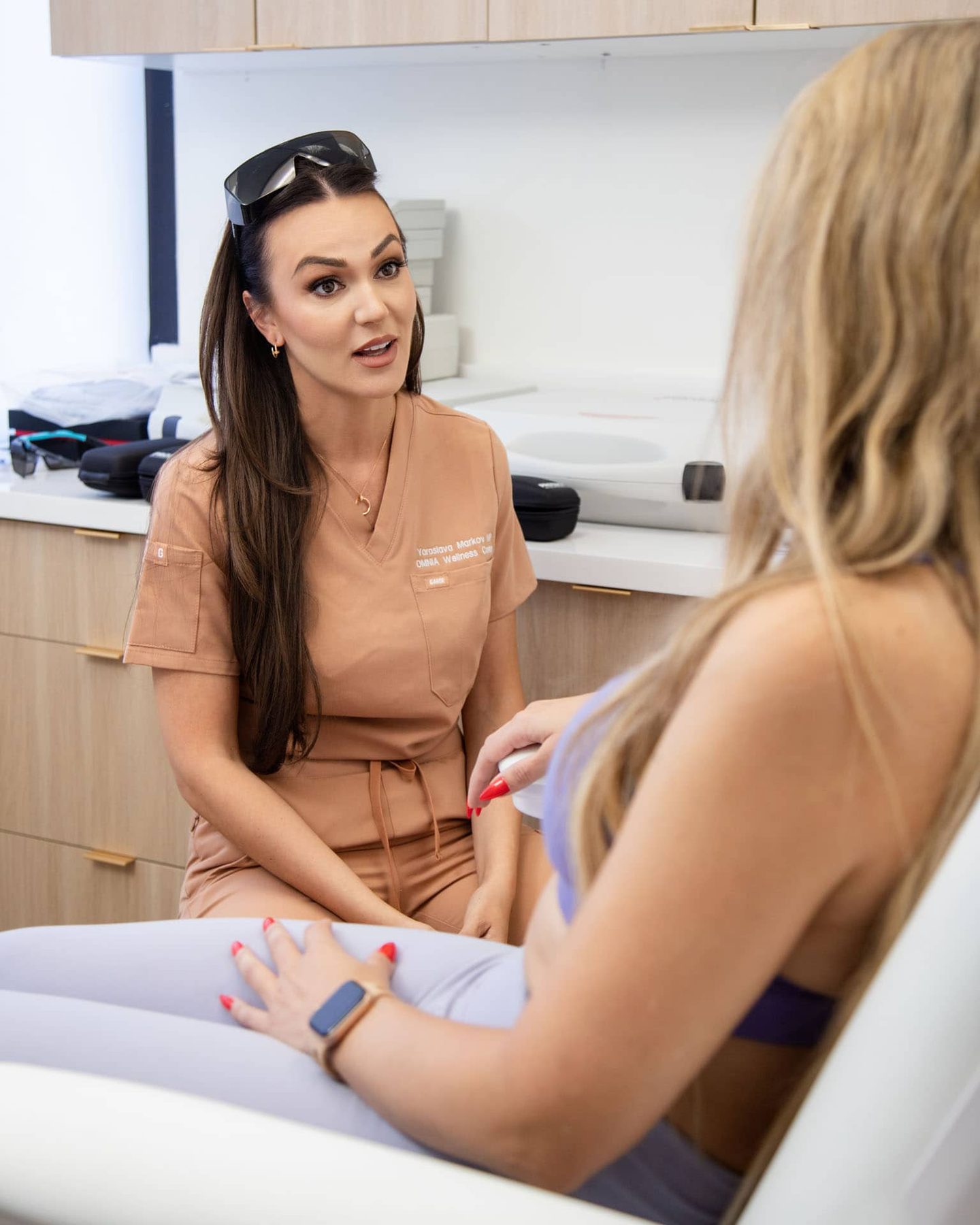
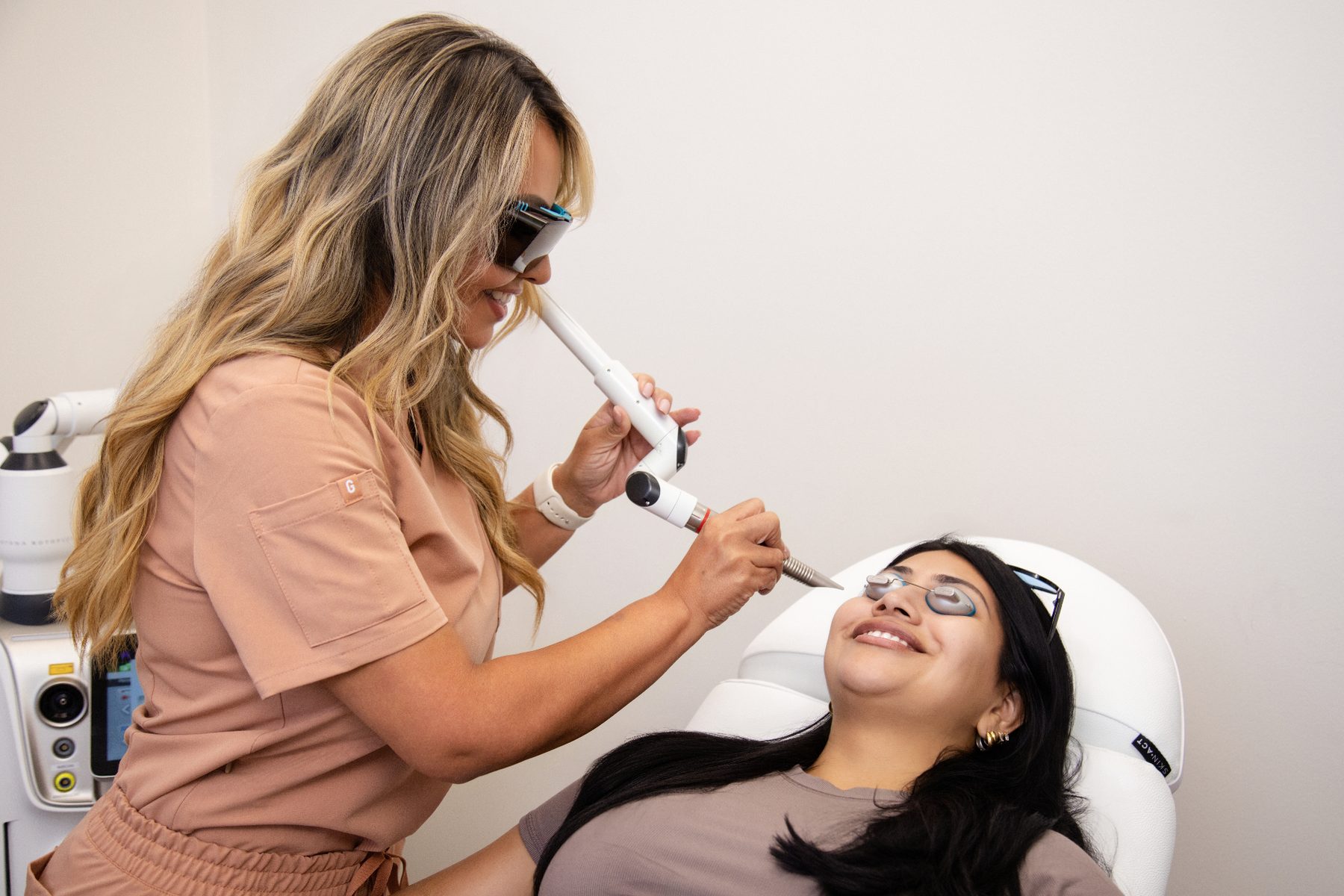
Interest in non-surgical facial rejuvenation has matured. Patients are no longer asking only for a quick glow or a single wrinkle fix. More often, they want meaningful change without the long recovery that comes with a surgical facelift or aggressive ablative resurfacing. That is where the Fotona 4D Laser Facial (TimeWalker) has carved out a distinct role. It is not a one-note treatment. It is a layered laser protocol designed to address laxity, texture, tone, and volume-related aging changes in a way that feels more strategic than many standalone facials.
What makes it stand out is not branding alone. The appeal lies in how it combines several laser modes in one session, treating the face from the inside and the outside. When done well, it can create a fresher, tighter, more rested appearance without making someone look altered. In practice, that distinction matters. Most people do not want to look “done.” They want comments like, “You look well,” not “What happened to your face?”
What the treatment actually is
The Fotona 4D Laser Facial (TimeWalker) is a multi-step laser rejuvenation treatment built around Fotona’s Nd:YAG and Er:YAG platforms. The “4D” refers to four treatment dimensions or stages, each targeting a different tissue depth and concern. Rather than relying on one pass with one setting, the treatment stacks controlled thermal and resurfacing effects for a broader result.
One of the defining features is the intraoral component. A laser handpiece is used inside the mouth, usually along the cheeks, to heat tissue from within. This sounds unusual when patients first hear it, but it is one of the reasons the treatment can improve the nasolabial area and lower face in a way that feels more complete than a surface-only facial treatment. Heating the inside of the cheek stimulates collagen remodeling where external devices do not always reach as effectively.
The external stages then address deeper support, superficial texture, and finishing refinement. Depending on the exact protocol, settings, and patient tolerance, the treatment can range from very manageable to moderately intense. It is often described as a lunchtime-adjacent procedure, but that label needs context. Some people leave mildly pink and camera-ready by the next day. Others look flushed for several days, especially when stronger resurfacing settings are used.
Why the “TimeWalker” name comes up
TimeWalker is the broader aesthetic treatment concept associated with Fotona’s platform, often used to describe protocols that aim to improve visible signs of aging in a staged, intelligent way. In clinics, the terms are sometimes used interchangeably, and patients may hear “Fotona 4D” and “TimeWalker facial” in the same conversation. The important point is not the marketing label. It is whether the provider is using the technology in a thoughtful, customized way.
That matters because two clinics can advertise the same machine and deliver very different experiences. The outcomes depend on settings, sequencing, patient selection, and whether the practitioner understands how to balance tightening, resurfacing, and downtime. A conservative pass can produce subtle brightening. A more assertive plan, repeated over a series, can create visible improvement in crepiness, texture, and lower-face softness.
How the four stages work together
The treatment is usually built from four distinct steps, though the exact names may vary slightly by practice. The logic remains consistent. One phase stimulates from the inside of the mouth. Another reaches deeper skin layers to create bulk heating and collagen contraction. A lighter superficial pass improves texture and pore appearance. The final stage refines the surface, often with a gentle polishing effect.
The beauty of this approach is that it respects how facial aging actually happens. Aging is not a single-layer problem. Skin loses collagen, elastin quality changes, pores become more obvious, pigmentation can become uneven, and the soft tissues descend. No non-surgical laser can fully replace surgery when laxity is advanced, but a layered approach can noticeably improve the early to moderate signs.
This is also why patient expectations need to be handled carefully. Someone in their late thirties or forties with mild lower-face laxity, textural roughness, and early smile-line etching may be an excellent candidate. Someone with significant jowling, heavy neck laxity, and deep structural descent may still benefit, but the result will be incremental, not surgical.
The concerns it tends to treat best
In clinical practice, the Fotona 4D Laser Facial (TimeWalker) is often chosen for patients who want improvement across several categories at once. It is particularly useful when the face looks tired rather than dramatically aged. That distinction is subtle but important. Tired-looking skin often reflects a combination of early laxity, dull texture, mild volume loss, and fine lines. Multi-step laser work can refresh that overall picture in a convincing way.
It tends to perform well for:
- early skin laxity in the midface and lower face
- fine lines around the mouth and eyes
- enlarged pores and uneven skin texture
- mild to moderate acne scarring and surface roughness
- overall dullness, especially when collagen stimulation is the main goal
Patients often ask whether it can replace injectables. Sometimes it reduces the need for them, but it does not truly replace them in every case. A patient with dynamic forehead lines may still prefer a neuromodulator. Someone with hollow temples or under-eyes may still need filler or a biostimulator if volume loss is prominent. The strength of Fotona 4D is that it can improve the skin envelope itself, and that can make every other aesthetic treatment look better and last more gracefully.
The sensation during treatment
This is one of the first questions patients ask, and it deserves a realistic answer. The procedure is usually tolerable, but “tolerable” is not the same as “spa-like.” The internal oral phase feels warm and strange more than painful. The deep heating stages on the outside can create a snapping or prickling sensation, and the resurfacing stage is often the most intense depending on settings.
Topical numbing is commonly used, though not every step requires it. Some practitioners also cool strategically between passes or adapt energy levels based on patient comfort. A full-face session can take anywhere from about 45 minutes to 90 minutes. If the neck is included, or if the resurfacing component is more comprehensive, it may take longer.
The best way to think about discomfort is this: it is generally manageable for most healthy adults, but not something to trivialize. Patients with very low pain tolerance should discuss that openly rather than trying to “push through.” Comfort planning makes for a better treatment and often a better result because the provider can work methodically instead of rushing.
Downtime, redness, and what recovery really looks like
This is where advertising can get too optimistic. Some patients are lightly pink for a day and back to normal quickly. Others experience two to four days of redness, roughness, dryness, or a bronzed sandpapery feel. When a stronger resurfacing step is used, visible flaking may occur. Makeup usually goes on more smoothly after the initial heat and dryness settle, not necessarily the same evening.
I usually frame recovery in bands rather than a single number. Social downtime may be as short as 24 hours for a gentle treatment and closer to three to five days for a more assertive session. Full collagen remodeling, which is where much of the tightening benefit comes from, continues over weeks to months. That delayed improvement is worth emphasizing because some patients expect the final result at day three. Skin quality changes often unfold gradually, and that is normal.
Sun protection afterward is not optional. Freshly treated skin is more vulnerable to irritation and post-inflammatory pigment changes, particularly in patients prone to hyperpigmentation. A broad-spectrum SPF, gentle skincare, and avoidance of harsh actives for several days make a real difference.
Who tends to be a strong candidate
A strong candidate is usually someone with mild to moderate photoaging who wants visible improvement without surgery and can tolerate a few days of social recovery if needed. It often suits patients who are beginning to notice that skincare alone no longer moves the needle.
There is also a personality component to candidacy, and experienced practitioners pay attention to it. Patients who appreciate cumulative improvement usually love this treatment. Patients who want one dramatic intervention and instant transformation may feel underwhelmed unless expectations are carefully aligned. Laser remodeling is powerful, but it is still biology, not stage magic.
Candidacy also depends on skin type, pigment history, active acne, rosacea activity, recent tanning, medications, and whether there is a history of cold sores. These details affect treatment planning and aftercare. The best consultations are specific. They cover skin history, treatment goals, timeline, and tolerance for downtime, not just before-and-after photos.
When caution is warranted
The treatment is versatile, but it is not universal. Certain situations call for delay, modification, or an alternative plan. This is one area where experience matters more than enthusiasm.
- active infection, open lesions, or significant irritation in the treatment area
- recent sunburn or heavy tanning
- pregnancy-related policy restrictions, depending on clinic protocols and local standards
- a strong history of post-inflammatory hyperpigmentation without a preventive strategy
- unrealistic expectations, especially when surgery would be more appropriate
Patients with darker skin tones can absolutely be treated, but settings, pretreatment, and provider expertise become even more important. Not every clinic that owns a laser is equally skilled at treating pigment-prone skin safely. That should be discussed directly rather than glossed over.
How it compares with other popular rejuvenation treatments
People rarely shop for one laser in isolation. They are usually comparing options. Broadly speaking, Fotona 4D sits in a middle ground between light, low-downtime facials and more aggressive resurfacing procedures. It is more ambitious than a standard “glow” treatment, yet typically easier to recover from than fully ablative resurfacing.
Compared with microneedling radiofrequency, Fotona 4D may feel more appealing to patients who want a no-needle approach and more surface refinement in the same session. Microneedling RF can be excellent for tightening and acne scars, but the textural finish is different. Compared with fractional CO2, Fotona 4D often offers less downtime and a lower barrier to entry, though CO2 may still deliver stronger resurfacing for severe wrinkling or etched texture when a patient is willing to accept recovery.
Against IPL or pigment-focused devices, the distinction is even clearer. IPL is often ideal for redness and brown spots, but it does not provide the same multi-depth collagen stimulation. Fotona 4D is better thought of as a structural rejuvenation treatment with textural benefits, rather than a simple color-correction procedure.
What kind of results are realistic
Good results usually look natural. The skin reflects light better. Fine lines soften. The lower face can appear a little firmer. Makeup sits better because the surface is smoother. Pores may look reduced, especially across the cheeks and around the nose. The face does not necessarily look different in a dramatic, obvious way. It looks improved in a way that photographs well and often reads as healthier skin.
A single session can produce noticeable brightness and some tightening, but a series often gives the most satisfying outcome. Three sessions spaced several weeks apart is a common framework, though protocols vary. Maintenance treatments are also common because skin continues to age and collagen turnover is ongoing. Patients who commit to good sun protection and sensible skincare generally preserve results better.
It is also worth saying plainly that lifestyle shows up on the face. Smoking, chronic sleep deprivation, high UV exposure, and unstable weight can blunt results. Lasers can stimulate repair, but they cannot fully overcome ongoing damage.
The role of provider technique
The machine matters less than many people think. Technique matters more. A skilled practitioner knows when to push and when to pull back. They understand where lifting is most valuable, where resurfacing should stay conservative, and when another treatment category would serve the patient better.
For example, a very thin patient with prominent hollows may not benefit from aggressive tightening alone because too much contraction can exaggerate gauntness. That patient may do better with conservative Fotona treatment paired with collagen-stimulating injectables or fat restoration strategies. On the other hand, a patient with thicker skin and early jowling may respond beautifully to deeper heating and repeated sessions.
This judgment is what separates a treatment plan from a menu item. It is also why consultations should feel more like an assessment than a sales pitch.
Combining Fotona 4D with other treatments
Combination therapy is common because facial aging is multifactorial. The trick is timing and restraint. A well-built aesthetic plan layers treatments without overwhelming the skin or stacking unnecessary downtime.
Neuromodulators are often used alongside laser work for forehead lines, glabellar frown lines, or crow’s feet. Biostimulatory injectables may be considered when collagen support is needed in tandem with skin tightening. Some patients also alternate Fotona sessions with pigment-specific or vascular treatments if redness and brown spots are major issues.
The point is not to do more for the sake of doing more. It is to match the modality to the problem. Strong clinics are selective. They do not push every patient into a maximalist plan.
Aftercare that actually helps
The simplest aftercare tends to work best. The skin usually wants calm, moisture, and protection. Fragrance-heavy products, exfoliating acids, retinoids, and aggressive actives can wait until the barrier settles. Most providers recommend a bland cleanser, a moisturizer that does not sting, and dependable sunscreen.
Hydration matters, though not in a magical way. Well-moisturized skin simply feels better as it recovers. If heat lingers the first evening, cool compresses can be soothing. If the skin gets rough or bronzed over the next few days, picking and scrubbing will only prolong irritation.
A practical mistake I see often is patients booking a major social event too soon. If there is a wedding, photo shoot, or reunion, it is wiser to schedule treatment a couple of weeks ahead rather than gambling on a two-day recovery. Even when healing is smooth, skin can go through a dry, slightly uneven phase before Fotona 4D Laser Facial (TimeWalker) it looks its best.
Cost, value, and how to think about pricing
Pricing varies widely by region, provider credentials, and how comprehensive the treatment is. A single session may cost more than a basic laser facial but less than major resurfacing packages or surgery. Patients sometimes focus only on the per-session cost, but the better question is value per meaningful result.
A less expensive treatment repeated many times can end up costing more while delivering less structural change. On the other hand, a premium laser session with a skilled provider may justify the cost if it addresses several concerns at once and reduces the need for multiple separate procedures.
That said, price alone is not a proxy for expertise. Ask what is included, who performs the treatment, how much customization is involved, and what kind of aftercare support is provided. Those details matter.
Questions worth asking at a consultation
A smart consultation is less about buzzwords and more about specifics. Patients should leave understanding what Fotona 4D Laser Facial (TimeWalker) will be treated, what level of intensity is planned, how much downtime to expect, and what results are reasonable after one session versus a series. If the answers are vague, that is useful information.
Ask who performs the treatment, how often they treat your skin type, whether they have managed pigmentation complications, and what the post-care plan looks like. If you have a history of melasma, cold sores, keloids, or lingering redness after procedures, bring that up early. Those details should shape the plan.
Where Fotona 4D fits in a modern aesthetic practice
The reason the Fotona 4D Laser Facial (TimeWalker) continues to attract attention is simple. It meets a real demand between skincare and surgery. Many patients want more than a temporary glow but less than a dramatic intervention. They want a treatment that respects facial anatomy, works across multiple layers, and keeps them recognizable.
When it is chosen thoughtfully and performed well, it can do exactly that. It will not replace every filler, every neuromodulator, or every lifting procedure. It does not need to. Its real value is that it improves the skin as a living tissue, not just the surface image in the mirror. For the right patient, that kind of renewal tends to age better than trend-driven fixes.
OMNIA Wellness Center
Address: 16430 Ventura Blvd Ste 207, Encino, CA 91436
Phone: (818) 386-8511
FAQ About Fotona 4D Laser Facial (TimeWalker)
What are the benefits of Fotona laser treatment?
OMNIA offers this treatment for concerns such as uneven texture, dull tone, and fine lines. Results and the number of sessions vary, so discuss your goals with a provider.
Is Fotona laser safe?
A qualified provider should review your skin, medical history, medications, and recent sun exposure to determine whether the treatment is appropriate. Ask about possible irritation, pigment changes, and aftercare before booking.
How much does a Fotona 4D facelift cost?
Price depends on the treatment plan and number of visits. Ask OMNIA for an itemized estimate during your consultation.